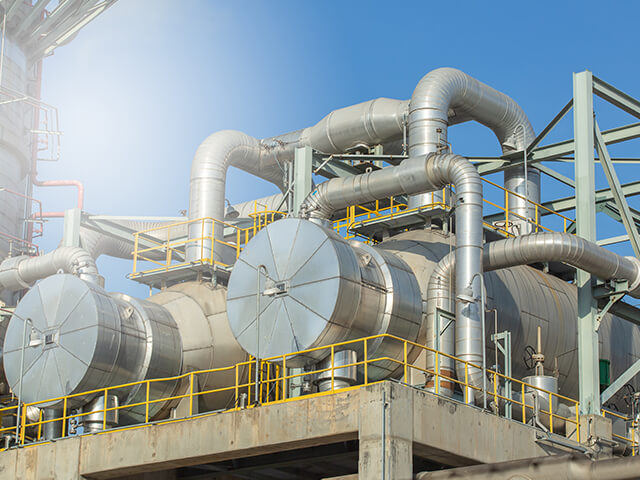
The TRCA and the Damage Mechanism Advantage
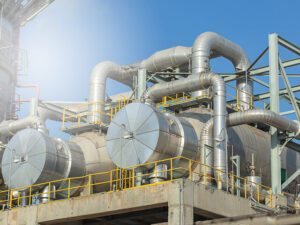
When a heat exchanger tube ruptures, the consequences can extend far beyond overpressure, as uncontrolled mixing of incompatible fluids can create serious safety, environmental, and operational risks that demand rigorous engineering assessment. This article examines the tube rupture credibility assessment (TRCA) and the critical role that damage mechanism review plays in determining whether a full-bore tube rupture is credible, and what that conclusion means for relief system design and inspection planning.
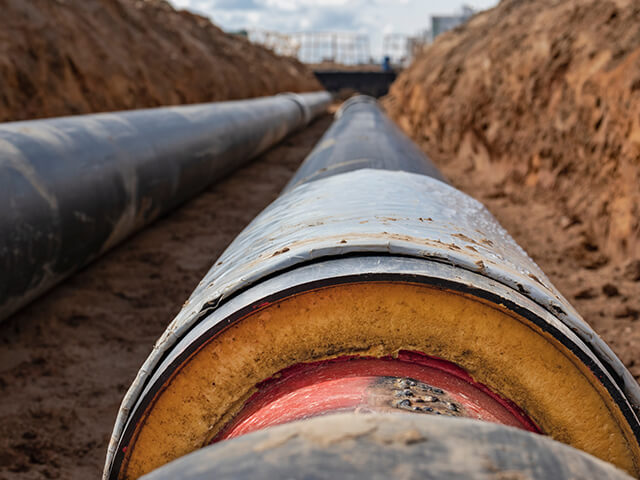
The CUI Program Infrastructure Problem
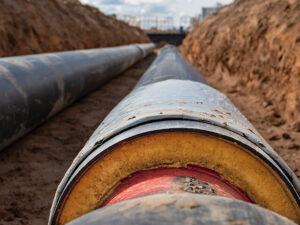
Corrosion under insulation is one of the most persistent sources of unplanned downtime and process leaks in operating facilities, yet most CUI programs are structurally set up to miss it. This article makes the case that CUI leaks are not a technology problem but a funding and governance problem, and explores what a properly structured CUI inspection program actually looks like.
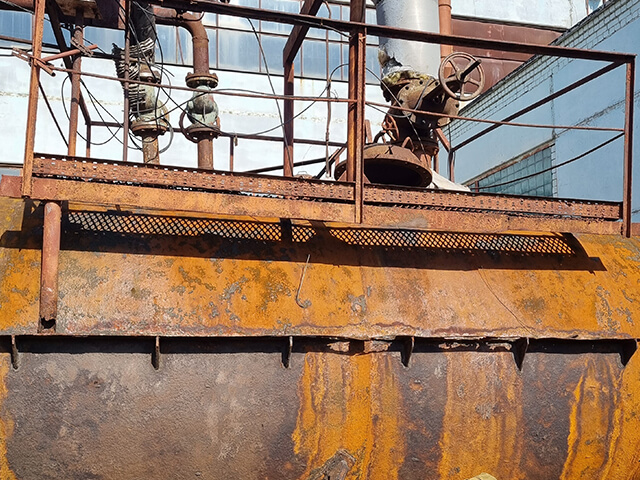
Engineering 101: Metallurgy, How Equipment Gets Damaged
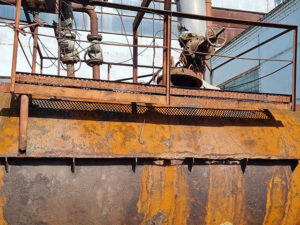
Metals don’t simply wear out; rather, they fail through specific, recognizable damage mechanisms, and understanding the difference is one of the most practical foundations an early-career engineer can build. This installment of our Engineering 101 series introduces the metallurgy fundamentals every new engineer should know, from core material properties to corrosion, fatigue, creep, and embrittlement, with a real-world case study showing how damage mechanism reviews (DMRs) translate directly into safer, more reliable operations.
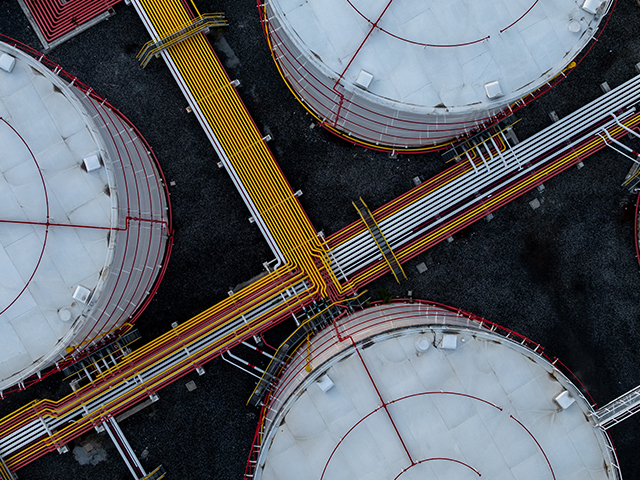
Navigating New Seismic Rules for Storage Tanks: A Technical Guide to Washington’s WAC 173-180
Washington State’s WAC 173-180 regulation is setting a new bar for seismic integrity of existing aboveground storage tanks, with a compliance deadline of July 2033 and analysis requirements that treat existing assets as new builds. This article breaks down what owner-operators need to know technically and makes the case for acting well before the deadline.
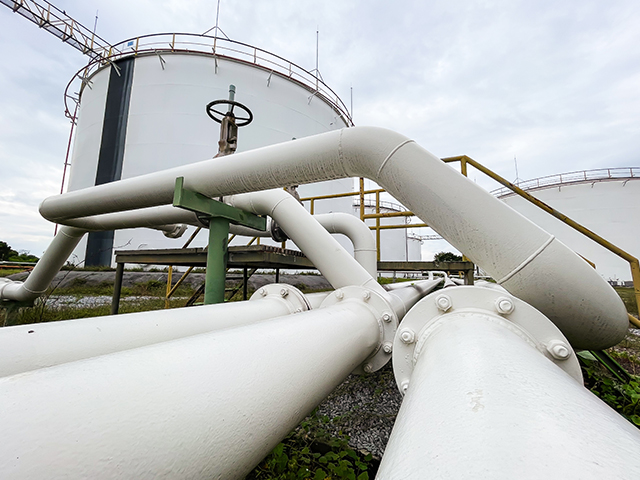
Engineering 101: Tanks and Storage Equipment – Foundations for Every Engineer
Tanks are among the first engineered systems early-career engineers encounter, but their apparent simplicity can be misleading given the range of design, materials, and cross-disciplinary considerations involved. This article offers a practical foundation for new engineers on how tanks work, why they matter, and the common pitfalls to watch for across industries.

Evolution of Gas Dispersion Modeling
As hazardous release scenarios grow more complex, outdated Gaussian plume models are leaving facilities either over-exposed to risk or over-invested in unnecessary safety infrastructure. This article explores how advanced gas dispersion modeling with rigorous thermodynamic calculations and 3D consequence contours delivers right-sized process safety decisions.